Where to Find New Songs & Artists to Listen To

Listen to new music to learn new techniques. (Photo by Elice Moore.)
image_printPrint

Q: I want to learn more about what kind of music is current. Where do you find new music and artists to listen to? Also I want to pitch my songs to film & TV. Where can I hear artists that are being used in that market?

A: If you’ve been getting my monthly emails, you know that I’m big on listening. I recommend that songwriters spend as much time listening as they spend writing. That means listening to successful songs, current songs, songs that inspire you as often as you can.

But there’s a huge amount of music out there—more every week, every day— so much that it can seem overwhelming. So, how do you find new music and artists to listen to? How do you know where to look and how to focus on what will be helpful to you as a songwriter? Here’s my guide to finding new music that will deliver plenty of inspiration, knowledge, and ideas for your own songs.


image_printPrint

The 7 Habits of Successful Songwriters

image_printPrint

I know I give you a lot of advice and sometimes you probably wonder if I know what I’m talking about. (Hey, I wonder the same thing about other people all the time.)

So, in this post, I thought I’d give you songwriting advice that comes straight from the mouths of songwriters and artists with incredibly successful, long-running, world-wide fame and success. I won’t include their bios or track records because you already know who they are. So, here are “7 Habits of Successful Songwriters” straight from the source!

1. DEVELOP A SONGWRITING PROCESS

Your songwriting process is the way in which you approach creating lyrics, melody, and chords. Maybe you’re a lyrics-first person. Or maybe you grab your guitar and come up with a groove and chords first. Here’s how a couple of successful songwriters approach their own songwriting.

Paul Simon
“I work with my guitar and a legal pad…. I get going fairly early in the morning, because my mind is sharp, and start by dating the pad and putting down personal comments, such as how I am feeling that day, so that it becomes a diary of sorts. … The first page might have all sorts of lines that will never be used, but as I turn the pages, a little thought might come forward and suggest potential for development.” (Making Music, book by George Martin)

image_printPrint

Cover Songs Are Still a Big Deal

image_printPrint

Since I originally wrote this post almost three years ago, there has been a revolution in the way Film & TV music libraries are dealing with cover songs. Up till then, they would not accept or pitch cover songs from indie artists. But now, all that has changed. In addition to accepting cover songs for pitching, a top catalog like Crucial Music even has a list of cover songs they’d like to have!

The reason? I’m not sure but there are just so many movies, TV series, and commercials using cover songs, maybe it was inevitable. And (my real guess), music supervisors were really tired of trawling YouTube at 2 am to find fresh cover songs from indie artists because that was the only place where we could easily upload them.

Why did music libraries shun covers in the first place?
Short answer: Cover songs are not one-stop.
YOU ARE THE OWNER OF THE MASTER RECORDING BUT NOT THE SONG.

Since you paid for the recording (or recorded it yourself) you are the owner of the sound recording, the master. But you do not own the rights in the song: the melody and lyric.

If you are pitching to the Film & TV market, you can only give permission to use the sound recording. A music supervisor will still have to license the song from the copyright owner or administrator. Music libraries previously avoided signing cover songs, but that’s changing as more and more productions use them and understand, up front, they will have to clear the rights to the song.

image_printPrint

Overcoming “Collab-o-phobia”

image_printPrint
Q & A

I’d Like to collaborate but I’m not sure how or whether it’s even a good idea. Can you help?

Lately I’ve been nudging songwriters toward more co-writing. Joining up with someone to combine your skills, resources, ideas, and energy will help you pick up your songwriting speed, finish more songs, find more opportunities and outlets, and so much more.

But my nudges are often meet with resistance. A lack of confidence or worry about looking foolish can really put the brakes on this idea. I call it collab-o-phobia: fear of co-writing. Here’s list of great tips that will banish it forever!

image_printPrint

Be Your Own Music Arranger

image_printPrint

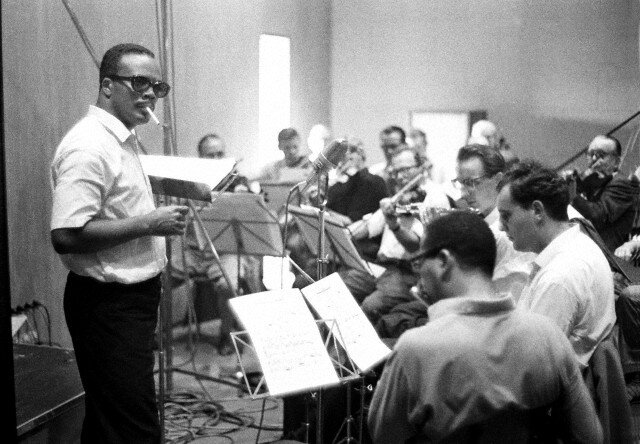
The phrase “music arranger” isn’t one you hear very often in today’s Pop music industry, but arrangers used to be an indispensable part of the music scene. In the ’50s, ’60s, and ’70s, record producers hired well known, in-demand arrangers to create arrangements for their recording sessions.

If you didn’t have the money for a Nelson Riddle, Jimmie Haskell, or Quincy Jones, the musicians would make “head arrangements” on the spot in the studio. The arranger might be used just for a horn or string session.

Quincy Jones was an arranger before he became a music producer.

But things have changed dramatically since then. Today’s music producers often build an entire track from the ground up—from sounds, samples, loops, and overdubs through the final vocal recording. That means that the music producer is also the music arranger.

image_printPrint